Every relationship, whether between colleagues, neighbours, friends, or strangers, is fragile. Human connection, for all its beauty, is remarkably easy to fracture and surprisingly difficult to repair. When things go wrong, as they inevitably will, we face a fundamental choice: do we build walls of blame, punishment, and retribution, or do we build bridges toward understanding, accountability, and genuine growth?
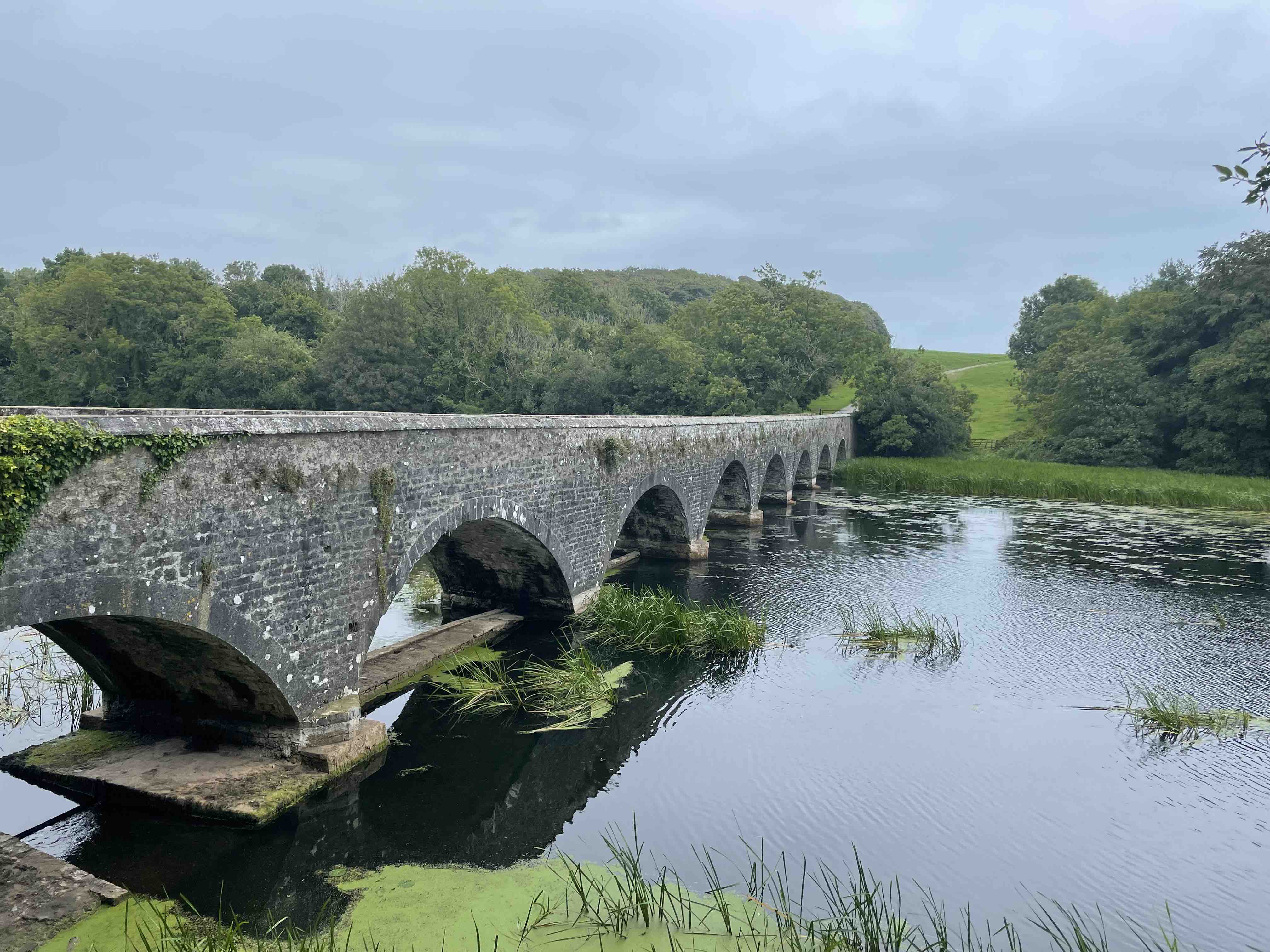
Mark Finnis, in his work on restorative practice, challenges us to choose the bridge, every single time. This is not a passive or naive philosophy. It does not ask us to ignore harm, minimise wrongdoing, or pretend that consequences do not matter. Rather, it asks something far more demanding of us — that we resist the deeply human urge to punish, and instead invest in the harder, slower, more meaningful work of restoration.
When someone causes harm, the instinctive response is often to exclude, isolate, or retaliate. Walls go up quickly. They feel protective, even righteous. But walls, however satisfying in the moment, solve very little. They separate people from the very relationships and communities within which healing and change become possible. A person pushed behind a wall does not grow; they simply exist beyond our sight, unchanged and unchallenged.
Bridges, by contrast, demand courage from everyone involved. They ask the person who caused harm to face it honestly, to understand its impact, and to take meaningful steps toward repair. They ask those who were harmed to be heard, to be seen, and to be active participants in how things move forward. And they ask the wider community to hold both parties with fairness, refusing to reduce complex human beings to either villain or victim.
Build Bridges, Not Brick Walls
This principle reaches into every corner of our lives. In our workplaces, our families, our communities, and our friendships, we are constantly presented with moments where the wall feels easier than the bridge. A difficult conversation avoided. A grievance nursed rather than aired. A misunderstanding left to fester and grow. Each unaddressed fracture becomes a brick, and before long, a wall stands where a relationship once flourished.
The world we want — for ourselves, for those around us, and for those who come after us — is one built on the quiet, determined commitment to restore rather than retaliate. To repair rather than retreat. To choose, always, the bridge.
Because bridges are what carry us forward together.
 Denham Kite